Decoradyard: Creative Decoration Ideas, Garden Tips, and Backyard Renovation Ideas
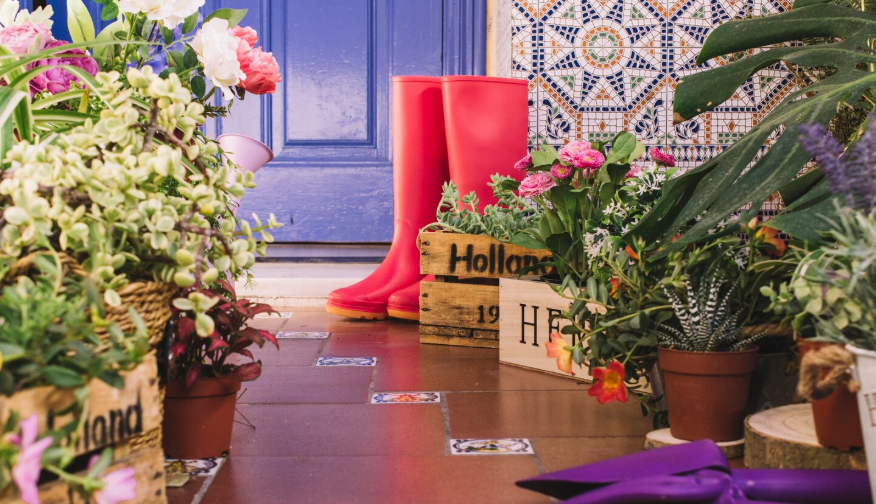
A beautiful outdoor space can completely change the way a home feels. A backyard, garden, patio, or small outdoor corner can become a comfortable place for relaxing, entertaining guests, enjoying nature, or spending quality time with family. With thoughtful planning and a few creative improvements, even an ordinary outdoor area can become attractive, practical, and welcoming.
Decoradyard is a concept centered on making outdoor spaces more enjoyable through practical decoration, garden improvements, creative layouts, and simple renovation ideas. Whether you have a large backyard or a small garden, the right combination of plants, furniture, lighting, colors, textures, and decorative elements can make a noticeable difference.
Outdoor decoration does not always require a large budget. In many cases, small changes can create a completely different atmosphere. Reusing existing furniture, adding plants, improving lighting, introducing decorative containers, or reorganizing an outdoor layout can provide excellent results without unnecessary expense.
What Is Decoradyard?
Decoradyard represents a practical approach to outdoor decoration and garden improvement. It brings together ideas for decorating yards, improving gardens, organizing outdoor areas, and creating spaces that match individual lifestyles.
A well-designed yard should not only look attractive but should also be comfortable and functional. For example, a family may need an open lawn for children, while another household may prefer a peaceful seating area surrounded by plants. Someone who enjoys gardening may want raised beds, planters, and pathways, while another person may focus more on outdoor dining and entertaining.
The goal is to create an outdoor environment that works for the people using it.
From choosing suitable plants to arranging furniture and adding decorative details, outdoor design offers many opportunities for creativity.
Why Outdoor Decoration Matters
Outdoor areas are often considered an extension of the home. When they are neglected, even a beautiful house can feel incomplete. A clean, organized, and thoughtfully decorated yard can improve the overall appearance of a property.
Outdoor decoration can also provide practical benefits. Comfortable seating creates a place to relax, lighting improves usability after sunset, plants can introduce natural beauty, and pathways can make movement around the garden easier.
Another advantage is flexibility. Outdoor spaces can be changed gradually. You do not have to complete an entire renovation in one project. Start with the areas that need the most attention and improve them step by step.
Decoration Tips Decoradyard for a Better Outdoor Space
Good outdoor decoration begins with planning. Before buying furniture or decorative accessories, consider how the space will actually be used.
1. Understand Your Outdoor Space
Start by measuring the available area. Identify sunny and shaded sections, existing plants, pathways, walls, fences, and areas that may require maintenance.
Understanding the layout helps prevent overcrowding. A small backyard can quickly feel uncomfortable if too much furniture or decoration is added.
2. Choose a Simple Design Theme
A consistent design theme creates visual harmony. You might prefer a natural garden style, modern outdoor design, rustic decoration, minimalist landscaping, or a colorful family-friendly environment.
Try to select materials and colors that complement each other instead of mixing too many unrelated styles.
3. Add Comfortable Seating
Seating is one of the most useful additions to an outdoor area. Depending on the available space, you can use benches, chairs, outdoor sofas, or a small dining set.
Comfort should be considered alongside appearance. Weather-resistant materials and easy-to-clean fabrics can make outdoor furniture more practical.
4. Use Plants as Natural Decoration
Plants can instantly make a yard feel more alive. Combine different heights, textures, and shades of green to create visual interest.
Flowering plants can introduce seasonal color, while shrubs and small trees can provide structure. Container plants are especially useful when permanent planting is not possible.
5. Improve Outdoor Lighting
Lighting can transform an outdoor space in the evening. Path lights, wall lights, lanterns, and string lights can create a warm atmosphere.
Avoid making every area equally bright. Instead, focus lighting on seating areas, pathways, entrances, plants, and important architectural features.
Backyard Renovation Decoradyard: Where to Begin
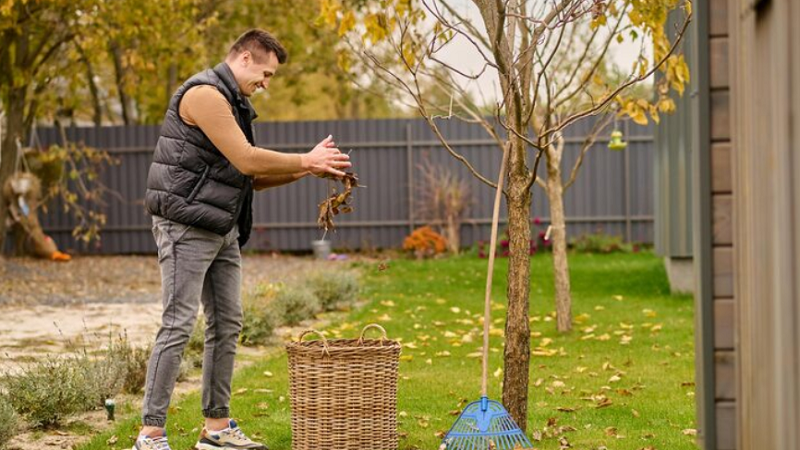
A backyard renovation does not necessarily mean rebuilding the entire outdoor area. Renovation can involve simple improvements that make the space more attractive and functional.
Before beginning a project, make a list of the problems you want to solve. Is the backyard difficult to use? Does it lack seating? Is the garden poorly organized? Is the surface damaged? Are there areas that need better privacy?
Once the main issues are identified, prioritize them.
Refreshing the Ground Surface
Old or damaged outdoor surfaces can make a yard appear neglected. Depending on the property, options may include paving stones, gravel, decking, outdoor tiles, or a refreshed lawn.
Choose materials based on weather conditions, maintenance requirements, budget, and how frequently the area will be used.
Creating Defined Outdoor Zones
Dividing a backyard into different zones can make it more functional.
For example, one section can be used for dining, another for gardening, and another for relaxing. Small gardens can also benefit from zones, although they may need to be created using furniture, planters, rugs, or changes in surface materials rather than permanent construction.
Adding Privacy
Privacy can make an outdoor area much more comfortable. Plants, trellises, fences, screens, pergolas, and strategically placed shrubs can help create separation from neighboring properties.
Natural privacy solutions are particularly attractive because they combine functionality with greenery.
Tips Decoradyard for Small Yards
Small outdoor spaces can be challenging, but limited space does not mean limited creativity.
Use furniture that serves more than one purpose. A storage bench, folding table, or compact seating arrangement can save valuable space.
Vertical gardening is another useful solution. Walls, fences, hanging planters, and vertical structures allow plants to grow upward rather than taking up floor space.
Mirrors can sometimes be used carefully in sheltered outdoor areas to create a greater sense of depth. However, they should be positioned safely and appropriately for outdoor conditions.
Keep pathways clear and avoid placing too many decorative objects in one area. A simple design can often make a small yard feel larger.
Decoration Ideas Decoradyard for Different Styles
There is no single correct approach to outdoor decoration. The best style depends on the home, surrounding environment, personal preferences, and intended use.
Modern Outdoor Design
Modern yards often focus on clean lines, simple furniture, neutral colors, geometric planters, and organized layouts.
Keep decorative elements limited and emphasize quality over quantity.
Rustic Garden Style
Rustic outdoor spaces can use natural wood, stone, weathered finishes, baskets, vintage-style containers, and abundant greenery.
This style works particularly well for people who want their garden to feel relaxed and connected to nature.
Minimalist Outdoor Spaces
Minimalism focuses on simplicity. Use fewer plants, furniture pieces, and accessories while keeping the overall layout clean.
Neutral colors and repeated materials can create a calm and organized appearance.
Colorful Garden Decoration
For a more energetic environment, introduce colorful flowers, painted planters, outdoor cushions, decorative pots, and seasonal accessories.
Color can be added gradually rather than changing everything at once.
Decoradyard Garden Tips
Gardens require both creativity and maintenance. A beautiful garden is easier to maintain when plants are selected according to local conditions.
Consider sunlight, soil, water requirements, temperature, and available space before selecting plants.
Group plants with similar requirements together. This makes watering and maintenance easier.
Mulching can help retain soil moisture and reduce weed growth. Regular pruning can also keep shrubs and plants healthy and prevent the garden from becoming overcrowded.
Garden paths should be practical as well as attractive. Stones, gravel, bricks, or other suitable materials can define walking areas and protect planted sections.
Decoradyard Garden Tips by Decoratoradvice
Outdoor decoration becomes more effective when garden planning and decorative design work together. decoradyard garden tips by decoratoradvice can be approached as a combination of practical gardening knowledge and creative outdoor styling.
Start with the foundation of the garden. Healthy soil, suitable plants, proper drainage, and adequate sunlight should come before decorative additions.
Once the garden is healthy, decorative elements can be introduced around it. Containers, seating, lighting, pathways, arches, trellises, and other features can enhance the existing landscape without overwhelming it.
A useful principle is to allow plants to remain the main visual feature while using decoration to support the overall design.
From Decoratoradvice Decoration Ideas Decoradyard
Outdoor decoration works best when it reflects the character of the people using the space. Instead of copying a design exactly from a magazine or social media post, consider which features actually suit your lifestyle.
For example, a person who enjoys morning coffee outdoors may benefit from a small seating area near the garden. Families may prefer open lawn space. People who enjoy entertaining might prioritize an outdoor dining area.
This approach makes decoration more meaningful because every design decision has a practical purpose.
The combination of from decoratoradvice decoration ideas decoradyard can therefore be understood as a creative starting point rather than a fixed decorating formula.
Decoration Tips and Tricks Decoradyard
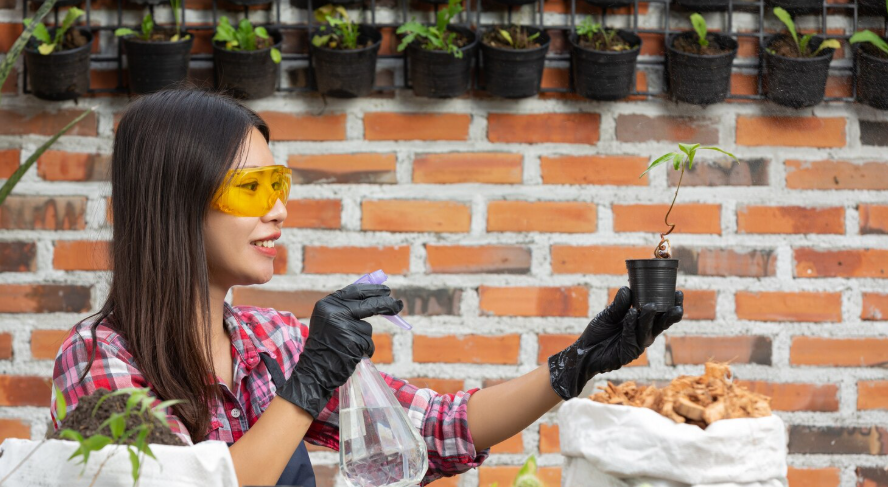
Small tricks can make outdoor decoration easier and more affordable.
Reuse Existing Items
Before buying new decoration, look around your home for items that can be reused outdoors. Old containers can become planters, while suitable furniture can sometimes be refreshed with cleaning, sanding, or weather-resistant finishes.
Use Repetition
Repeating similar materials or colors creates consistency. For example, using the same style of planter throughout a garden can make the area feel more organized.
Create a Focal Point
Every outdoor space benefits from a feature that naturally attracts attention. This could be a tree, fountain, seating area, sculpture, colorful planter, fire feature, or attractive garden bed.
Keep Maintenance in Mind
Beautiful designs that require excessive maintenance can become difficult to manage. Choose plants, materials, and furniture according to the amount of time you realistically have available.
Decorate Seasonally
Seasonal decoration can refresh the appearance of a yard without permanent changes. Flowers, cushions, lanterns, table decorations, and other removable items can be changed throughout the year.
Sustainable Outdoor Decoration
Sustainability is becoming increasingly important in garden and outdoor design.
Choose durable products that do not need frequent replacement. Reusing furniture and containers can reduce waste. Native or climate-appropriate plants can also be easier to maintain because they are better suited to local environmental conditions.
Water conservation is another important consideration. Drip irrigation, rainwater collection where appropriate, mulch, and efficient watering practices can help reduce unnecessary water use.
Composting garden waste can provide useful organic material for gardens while reducing the amount of waste sent away.
Budget-Friendly Backyard Improvements
A beautiful backyard does not require an unlimited budget.
Begin with improvements that provide the greatest visual or practical impact. Cleaning the space, trimming overgrown plants, removing unnecessary objects, and reorganizing furniture can make a surprisingly large difference.
Painting suitable fences or outdoor furniture can also refresh an older space. Adding inexpensive planters, outdoor cushions, solar lights, or decorative stones can create additional interest.
Another strategy is to complete the project in phases. Instead of purchasing everything at once, improve one section at a time.
This approach makes it easier to manage costs and evaluate what the space actually needs.
Creating a Relaxing Garden Retreat
A garden can become a personal retreat with the right combination of comfort and nature.
Start with a comfortable chair or bench. Surround it with plants that create a pleasant atmosphere without blocking necessary access.
Add soft lighting for evening use and consider a small side table for drinks, books, or decorative items.
Natural sounds can also contribute to relaxation. Water features, rustling plants, and bird-friendly planting can create a peaceful environment.
The goal is not to fill the garden with objects but to create an environment that encourages people to slow down and enjoy the outdoors.
Outdoor Decoration for Entertaining Guests
If you regularly host guests, organize your yard around social activities.
A central seating area can provide a comfortable place for conversation. An outdoor dining table can support meals, while additional stools or benches can provide flexible seating.
Lighting becomes particularly important when guests stay after sunset. Use a combination of ambient and functional lighting to make the area comfortable without creating excessive brightness.
Keep serving areas close to the house or outdoor kitchen if available. This makes hosting easier and reduces unnecessary movement.
Common Outdoor Decoration Mistakes
Even good ideas can produce poor results if they are not planned carefully.
One common mistake is overcrowding. Too many plants, furniture pieces, and decorative accessories can make an outdoor area feel smaller.
Another mistake is choosing plants based only on appearance. A plant may look attractive but require conditions that your garden cannot provide.
Ignoring maintenance is another issue. Consider how much cleaning, watering, pruning, and seasonal care each feature will require.
Poor lighting placement can also reduce the effectiveness of an outdoor design. Lights should highlight important areas rather than simply being placed everywhere.
How to Plan Your Own Decoradyard Project
A successful project can be divided into several simple stages.
Stage 1: Evaluate
Walk through the outdoor area and identify what works and what does not.
Stage 2: Set a Budget
Decide how much you are comfortable spending before purchasing materials or furniture.
Stage 3: Choose Priorities
Focus first on safety, usability, drainage, surfaces, and major structural issues.
Stage 4: Create the Layout
Decide where seating, plants, pathways, lighting, and decorative elements will go.
Stage 5: Add Plants
Select plants based on the conditions of your outdoor space.
Stage 6: Add Decoration
Introduce furniture, planters, lighting, accessories, and other decorative features.
Stage 7: Review
After using the space for a few weeks, identify what could be improved. Outdoor design can evolve over time.
More Inspiration for Outdoor Spaces
If you are looking for additional inspiration, exploring different outdoor decoration resources can help you discover new approaches to garden layouts, backyard improvements, and creative styling.
You can explore decoration tips decoradyard for ideas related to outdoor decoration and creative yard improvements.
For broader inspiration, Decoradyard can also be used as a reference when exploring outdoor design concepts.
Additional information about Decoradyard is available through this Decoradyard resource, while readers interested in creative outdoor transformation can explore decoration tips and creative ideas for outdoor spaces.
Frequently Asked Questions
What is Decoradyard?
Decoradyard refers to a practical and creative approach to improving outdoor spaces through decoration, garden planning, backyard improvements, furniture, lighting, plants, and thoughtful layouts.
How can I improve my backyard on a small budget?
Start with cleaning and organizing the space. Then consider affordable improvements such as plants, containers, outdoor lighting, refreshed furniture, painted surfaces, and simple seating areas.
What are the most important outdoor decoration elements?
Plants, comfortable seating, suitable lighting, practical pathways, color, texture, and a well-planned layout are among the most important elements.
How do I make a small garden look larger?
Avoid overcrowding, use vertical planting, select appropriately sized furniture, keep pathways clear, and create visual continuity with repeated colors or materials.
What should I consider before renovating a backyard?
Consider the size and layout of the space, drainage, sunlight, existing plants, intended use, maintenance requirements, materials, and available budget.
How can I make my garden easier to maintain?
Choose plants suited to your local conditions, group plants with similar needs, use mulch where appropriate, create accessible pathways, and avoid designs that require excessive seasonal maintenance.
Conclusion
A well-designed outdoor area can become one of the most enjoyable parts of a home. Whether the goal is a complete backyard renovation or a few simple decorative improvements, thoughtful planning makes the process easier and more rewarding.
Decoradyard is ultimately about creating outdoor spaces that combine beauty, comfort, practicality, and personality. From garden planting and seating arrangements to lighting, pathways, and decorative details, every element can contribute to a better outdoor experience.
The best projects do not necessarily depend on expensive materials or complicated designs. A clean layout, suitable plants, comfortable furniture, thoughtful lighting, and a few carefully selected decorative features can transform an ordinary yard into a welcoming environment.
Start with the space you already have, identify what you want to improve, and make changes gradually. With the right decoration ideas decoradyard, practical planning, and consistent maintenance, your outdoor space can become a beautiful extension of your home. See More: comedogenic